Step Inside

Understanding is more than just having the knowledge of the facts and information about a concept.
It is far more deeper than that. It is stepping into the idea and be able to see, feel, ask, and know more about it. 


Finding out more about roles and responsibilities of the members in the school community, they continued with their interview and conversations with the people in the school.

They are beginning to understand that everyone in the school community are working together towards the same goal and all for the students.


Using the Visible Thinking Routine, Step Inside, they stepped inside the shoes of the 4 familiar community helpers: doctors, teacher, policeman, and fireman. 


What do these people see? 
What do these people think?
What questions do they ask? 
What are the feelings they have?


This exercise gave the preschoolers an opportunity to understand and share their knowledge about these members of the community. 


They started their initial research to validate their prior knowledge.
They used unit books to look at photos or information about what they do, what they wear, what tools they, and the transportation they use.


FIELD TRIP
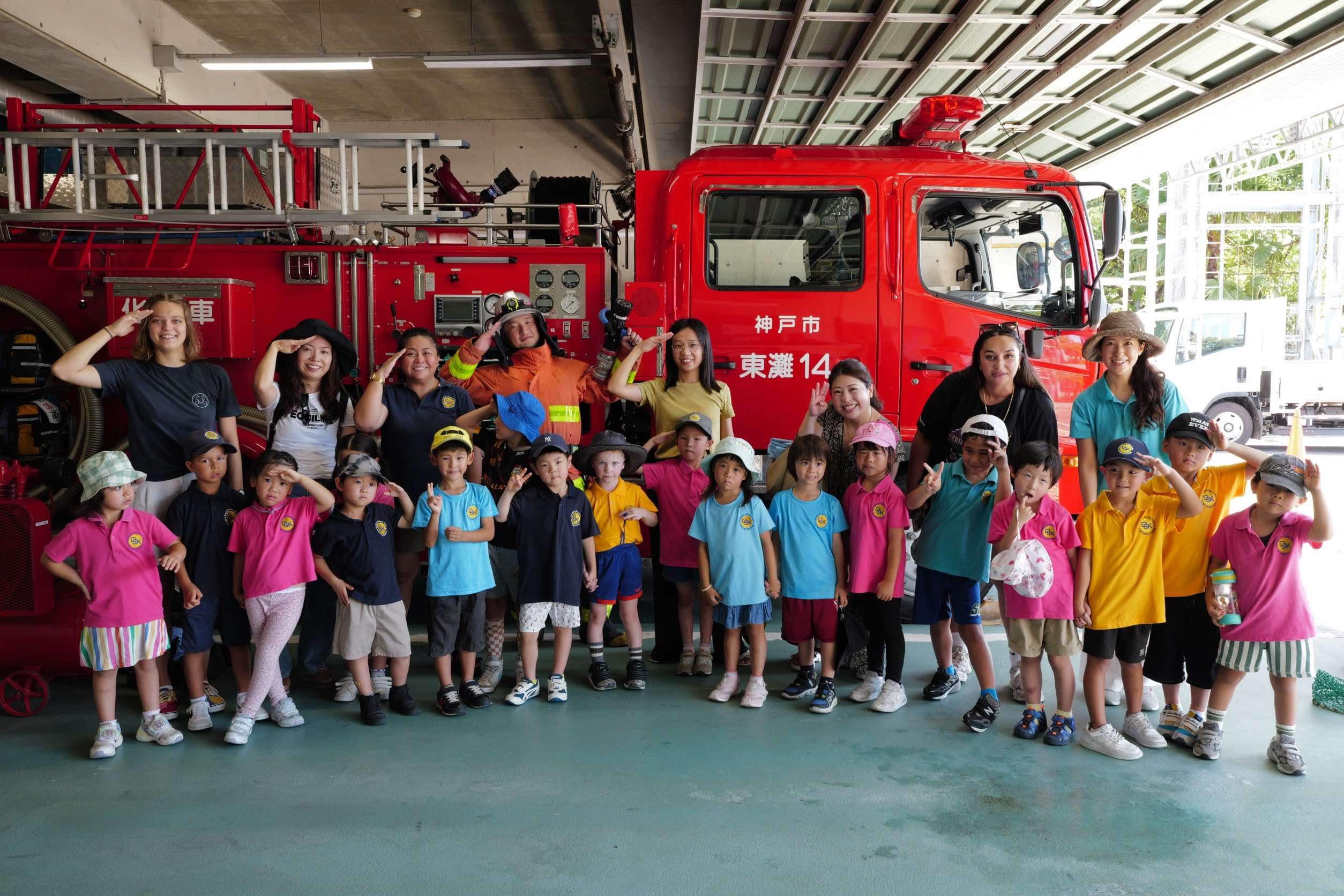
The trip to Rokko Island Fire Station was an amazing experience to the preschoolers. 


They went in the fire truck.


Used the hose (with no water this time)


Carried the 30 kilos long hose inside the bag! 
They realized that firemen have to be strong (like ULTRAMAN) to be able to carry those heavy hose!


They listened carefully and asked wonderful questions to the firemen. It was a wonderful day to experience and step in to the day of these people who helped us in a huge way. 


I wonder who among these preschoolers would become our future firefighters! 


Comments

Popular posts from this blog

How The World Works

PRESCHOOL ASSEMBLY What a beautiful way to end our unit on celebration, to start a new unit on growth, and to connect it to our unit on imagination. As we begin our new unit on how the world works, the preschool students went around the school premises to list down living things that they saw around them.  As their curiosity kicked in they got so excited and started thinking exactly what living things are.  At first, some characteristics they mentioned about living things were: move  eat drink grow drive cars talk take a bath more But what really is the difference between living and non-living things?  Back in the classroom, we revisited their list and narrowed down the characteristics of living things into these important traits: they eat and drink (food and water) they grow or change they reproduce (make new living things) They agreed that even if something is moving (like robots or cars) it doesn't mean that they are living things. Trees do not move but they eat, ...

Our Country

Know your country. Appreciate your culture.  It is important to know your country's culture to also understand who you are.  As young researchers, the preschoolers looked for information and facts about their country.  They looked at the flag and what it signifies, the population, the capital, food, and popular places. This activity helps them develop cultural awareness which is important as they begin to understand that they came from different backgrounds. Learning about their differences creates a sense of appreciation and respect with people different from them.  "We are better at football!" "Our food is better!" But, it is not a competition of which country is better in football, bigger in size, or which hair color looks better.  It is knowing that they are all here together to celebrate everyone's similarities and differences.    As they become knowledgeable about the bigger picture of their own culture, they also learn to relate better to one an...

Understanding Culture

  What is CULTURE?  This week, we have broken down the different aspects of culture.  COUNTRY Firstly, we identified the country they are from.   They were tested on their knowledge of their flag. It was amazing to know that a lot of them know what their flags look like.    The color, symbols, and shapes that go with it.  We will continue to inquire by also understanding the features that the flag represent. The colors, symbols, the shapes. For our transdisciplinary connection in math, preschoolers will go around the school to conduct a survey. We will find out information about the people at DSKI and how these affect our school's culture. With their partner, they thought of different questions that they would like to ask their respondents.  They will survey the following questions: Where (country) are you from?  What celebration is important for you and your family? What is the traditional food in your country? What clothes do you like ...