
Our Family


Community is a place where people live together. 

Our Family
Our School
Our Community

The preschoolers identified themselves as an important member or these groups. 

Roles are parts that everyone play. We have the Superheroes like Batman, Spiderman and other characters in movies. 

But what are the things that they do? Those are their responsibilities. Just like us, we all have our responsibilities. 


The Family
Family is the smallest group in a community. 

Some families are big. Some families are small.
But they live together in the same house and do things together and take care of each other.


Using their puppets the preschoolers imagined and created a story of things that they did as a family. They had so much fun presenting in the class, changing their voices creating background sounds and simply telling their stories!


We also played the Yes, No, Maybe corners where the students decided if they agreed or disagreed with the questions given to them about the responsibilities of the different members in the family. 
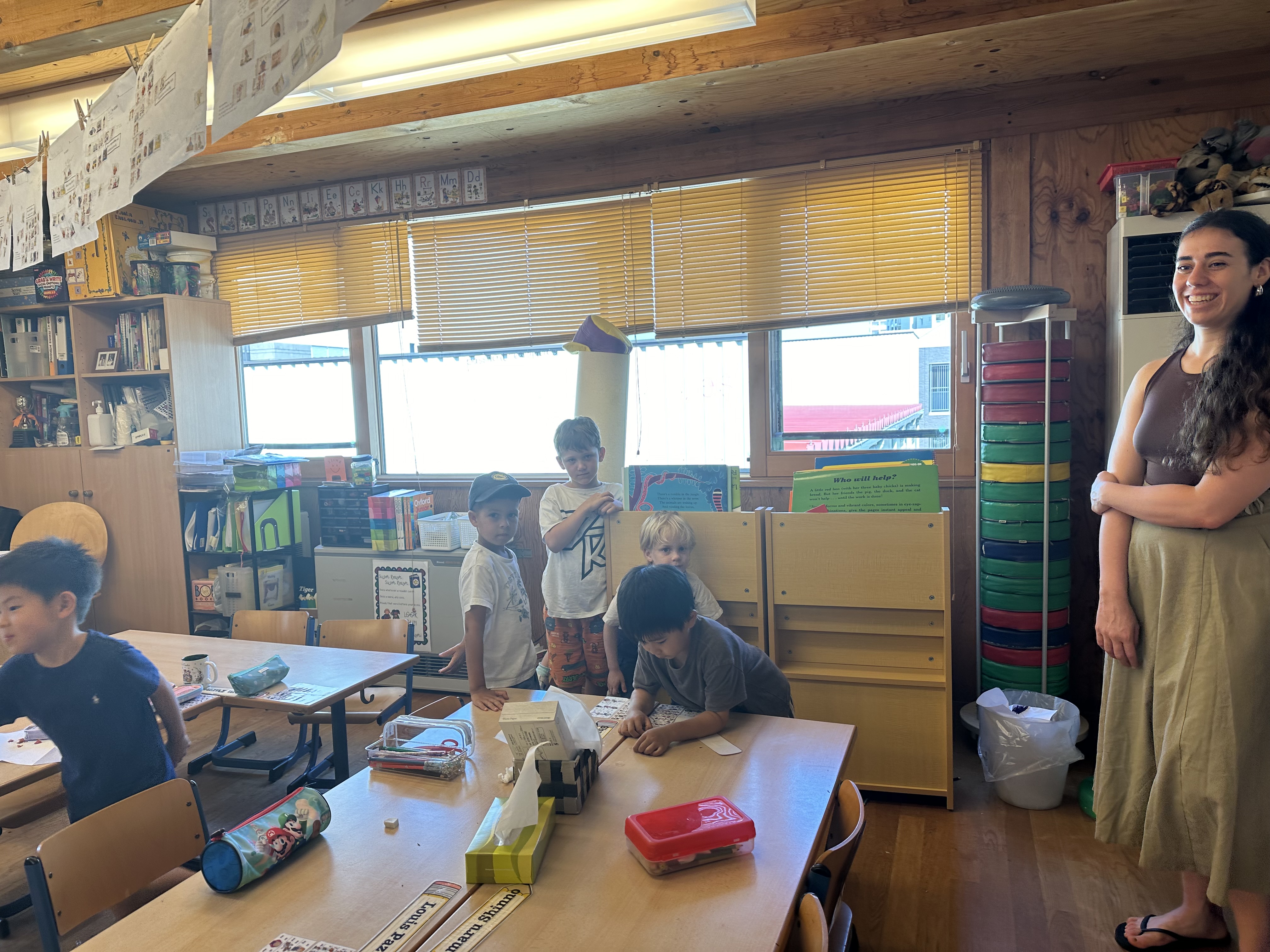

Then, they drew the different things I DO with my family. 


And the things that I WISH we do as a family. 


The preschoolers are spending a lot of time becoming thinkers, realizing that not all families are the same. But there are some things that are common to all such as: Enjoying meals together, traveling together and spending time together. 


Next week we will FIND OUT more about the responsibilities in the family and the importance of making sure we all do our part in the family. 


Comments

Popular posts from this blog

How The World Works

PRESCHOOL ASSEMBLY What a beautiful way to end our unit on celebration, to start a new unit on growth, and to connect it to our unit on imagination. As we begin our new unit on how the world works, the preschool students went around the school premises to list down living things that they saw around them.  As their curiosity kicked in they got so excited and started thinking exactly what living things are.  At first, some characteristics they mentioned about living things were: move  eat drink grow drive cars talk take a bath more But what really is the difference between living and non-living things?  Back in the classroom, we revisited their list and narrowed down the characteristics of living things into these important traits: they eat and drink (food and water) they grow or change they reproduce (make new living things) They agreed that even if something is moving (like robots or cars) it doesn't mean that they are living things. Trees do not move but they eat, ...

Our Country

Know your country. Appreciate your culture.  It is important to know your country's culture to also understand who you are.  As young researchers, the preschoolers looked for information and facts about their country.  They looked at the flag and what it signifies, the population, the capital, food, and popular places. This activity helps them develop cultural awareness which is important as they begin to understand that they came from different backgrounds. Learning about their differences creates a sense of appreciation and respect with people different from them.  "We are better at football!" "Our food is better!" But, it is not a competition of which country is better in football, bigger in size, or which hair color looks better.  It is knowing that they are all here together to celebrate everyone's similarities and differences.    As they become knowledgeable about the bigger picture of their own culture, they also learn to relate better to one an...

Night of the Student Led Conference

Preschoolers practice for their upcoming Student Led Conference (SLC) by engaging in mock sessions with peers and teachers. These practices help the students build confidence as they learn to talk about their artwork, classroom routines, and personal growth.  Using the checklist prompted by visuals like portfolios and photo displays, preschoolers explain their learning journey in simple, meaningful ways. Practicing ahead of the actual conference allows them to feel prepared and proud to share with their families.  It fosters communication skills, independence, and a strong sense of ownership over their learning — all foundational for future academic and social success. During the actual Student Led Conference, preschoolers experienced a range of emotions. Some felt nervous facing their parents, while others were visibly tired or overwhelmed by the attention.  A few needed gentle support to stay engaged. On the other hand, many confidently shared their work, explained clas...