What an exciting week it has been!
Learning resources are the things that we, as teachers access to help us in our teaching. It provides a source of learning experience for the preschoolers and assists the process of interaction in the class.
The preschoolers have utilized the use of books, pictures, stories, discussions, technology, and educational videos to assist them in their research.
This week, 2 important resources were presented to the preschoolers.
1. People are important learning resource.
Veronica Anzuay - Carzis
A Veterinarian
Veronica shared her knowledge, roles and responsibilities as a vet back in Argentina. The preschoolers enjoyed listening how domestic and wild animals were taken cared of and treated when they are injured.


Veronica shared a very important take away to the preschoolers:
"We have a RESPONSIBILITY to help and take care of our world."

Can Yaldiz
A Diaper Engineer
As an engineer, Can is good at identifying problems, thinking and finding solutions to these problems.
He made the job of problem solving sounded easy and convincing.
After his talk, a lot of the preschoolers have already instantly thought of a career change!
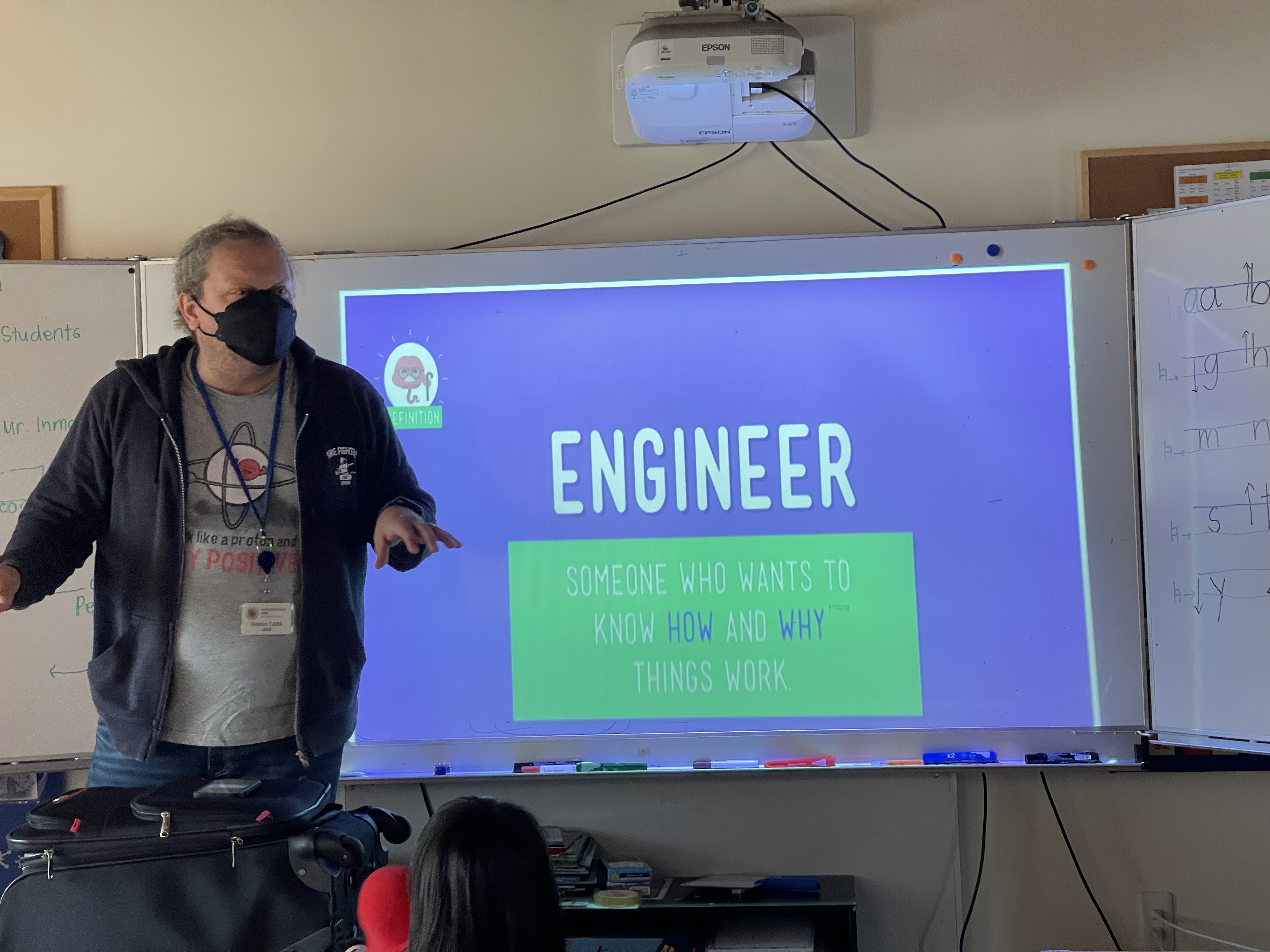
Can also showed the preschoolers a 'little magic'....
He poured the magic blue water into 3 separate cups,
tilted the cups and Voila!!!!
the water disappeared!

So, what happened to the water inside the cups?

Ask the preschoolers and they will tell you....
Mathias Vogel
Scientist / Engineer
Why do people who work in the hospital wear gloves on their hands, cover their feet, head, and body?
Because nobody wants to bring germs back to their home.
While wearing their own gloves and head caps, the preschoolers enjoyed testing liquid for the presence of sugar.


As and engineer, Mathias' job is to build and repair machines in the hospital laboratories.
He explained that to be able to do this, he needs to work well with different people in and outside the hospital to make sure that he gets things done. He has to teach other engineers and doctors how to use and what to do with the machines.
Being able to collaborate and work well with other people are important
SOCIAL SKILLS.

What a wonderful experience for all of us in the Perky Preschool class to be able to listen to these amazing parents who help the community run smoothly.
Talking about working together, they work with pairs to practice reading the book they wrote for the Publishing Party on Wednesday.


2. Space is an important learning resource
Field trip to Hyogo Police
Together, the students, teachers and parent volunteers visited Hyogo Police to learn more about the roles, responsibilities, tools, clothes, and transportations they use at work.
It was a wonderful experience for everyone to be up close and personal with these serious-looking people who help our community safe for everyone.
Police officers want to make sure that we:
1. Follow traffic rules and don't get into accidents
2. Make peace with our neighbours
3. Be a good citizen (don't be a bad person)
4. Surrender lost items
Enjoy this short video of the Perky Preschoolers' visit to Hyogo Police!
As a preschool community, let us support as we listen and cheer to our budding readers and writers as they share their journey to becoming confident doctors, police officers, fire fighters, engineers, nurse, teachers and more!!!

Comments
Post a Comment