Let's Tune In

Let's Tune In!

It was a busy but productive week for these little 'scientists'.
It didn't take them a long time to delve in instantly with the new unit on 'How the world works'. 

To prepare them to new inquiries, it is important for us to unlock words that will be used throughout the unit. 


Living and nonliving things

The students did a sorting activity and it took a lot of discussions - agreeing and disagreeing. Finally, we all decided to simply group the pictures into two: living and nonliving things. 

 
The preschoolers described the characteristics of living things:
.. they grow
.. they need food and water
.. breathe
.. they can feel
.. need to rest or sleep
.. they can move


Brain Frame: Telling Frame

Together with their partner, they created a visual tool that helped them organize their thinking. Through this exercise they were able to form connections from the topic to other ideas and concepts. 
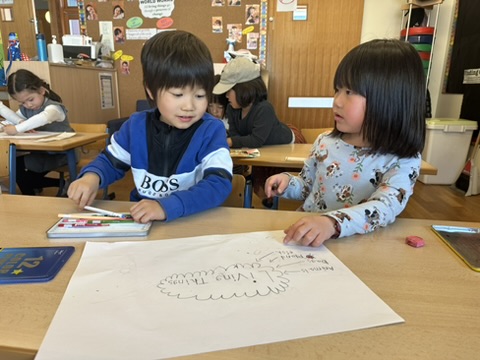

They started practicing their communication skills as they work collaboratively.
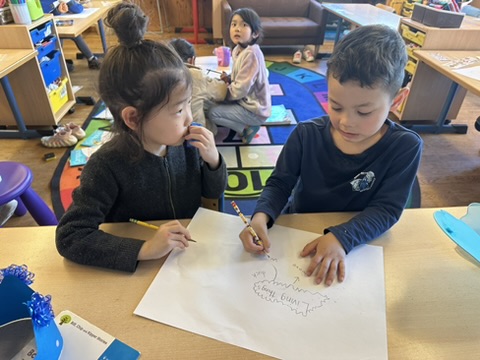


This was a very powerful activity that showed how the preschoolers have developed into becoming independent learners and thinkers. 


Book Walk

We made a short trip to the library and collected unit related book for our classroom library. 
They did a book walk together by sharing their thoughts about what they see or read on the pages in the book. 


Asking questions to each other, making predictions and creating connections are important skills they are going develop through this activity. 


This also lead the preschoolers to 'asking questions or wonderings'.


Their wonderings are so powerful that we are all getting excited more about this wonderful unit on how the world works!


Enjoy some of our Culture Week Photos!!


Comments

Popular posts from this blog

How The World Works

PRESCHOOL ASSEMBLY What a beautiful way to end our unit on celebration, to start a new unit on growth, and to connect it to our unit on imagination. As we begin our new unit on how the world works, the preschool students went around the school premises to list down living things that they saw around them.  As their curiosity kicked in they got so excited and started thinking exactly what living things are.  At first, some characteristics they mentioned about living things were: move  eat drink grow drive cars talk take a bath more But what really is the difference between living and non-living things?  Back in the classroom, we revisited their list and narrowed down the characteristics of living things into these important traits: they eat and drink (food and water) they grow or change they reproduce (make new living things) They agreed that even if something is moving (like robots or cars) it doesn't mean that they are living things. Trees do not move but they eat, ...

Our Country

Know your country. Appreciate your culture.  It is important to know your country's culture to also understand who you are.  As young researchers, the preschoolers looked for information and facts about their country.  They looked at the flag and what it signifies, the population, the capital, food, and popular places. This activity helps them develop cultural awareness which is important as they begin to understand that they came from different backgrounds. Learning about their differences creates a sense of appreciation and respect with people different from them.  "We are better at football!" "Our food is better!" But, it is not a competition of which country is better in football, bigger in size, or which hair color looks better.  It is knowing that they are all here together to celebrate everyone's similarities and differences.    As they become knowledgeable about the bigger picture of their own culture, they also learn to relate better to one an...

Understanding Culture

  What is CULTURE?  This week, we have broken down the different aspects of culture.  COUNTRY Firstly, we identified the country they are from.   They were tested on their knowledge of their flag. It was amazing to know that a lot of them know what their flags look like.    The color, symbols, and shapes that go with it.  We will continue to inquire by also understanding the features that the flag represent. The colors, symbols, the shapes. For our transdisciplinary connection in math, preschoolers will go around the school to conduct a survey. We will find out information about the people at DSKI and how these affect our school's culture. With their partner, they thought of different questions that they would like to ask their respondents.  They will survey the following questions: Where (country) are you from?  What celebration is important for you and your family? What is the traditional food in your country? What clothes do you like ...