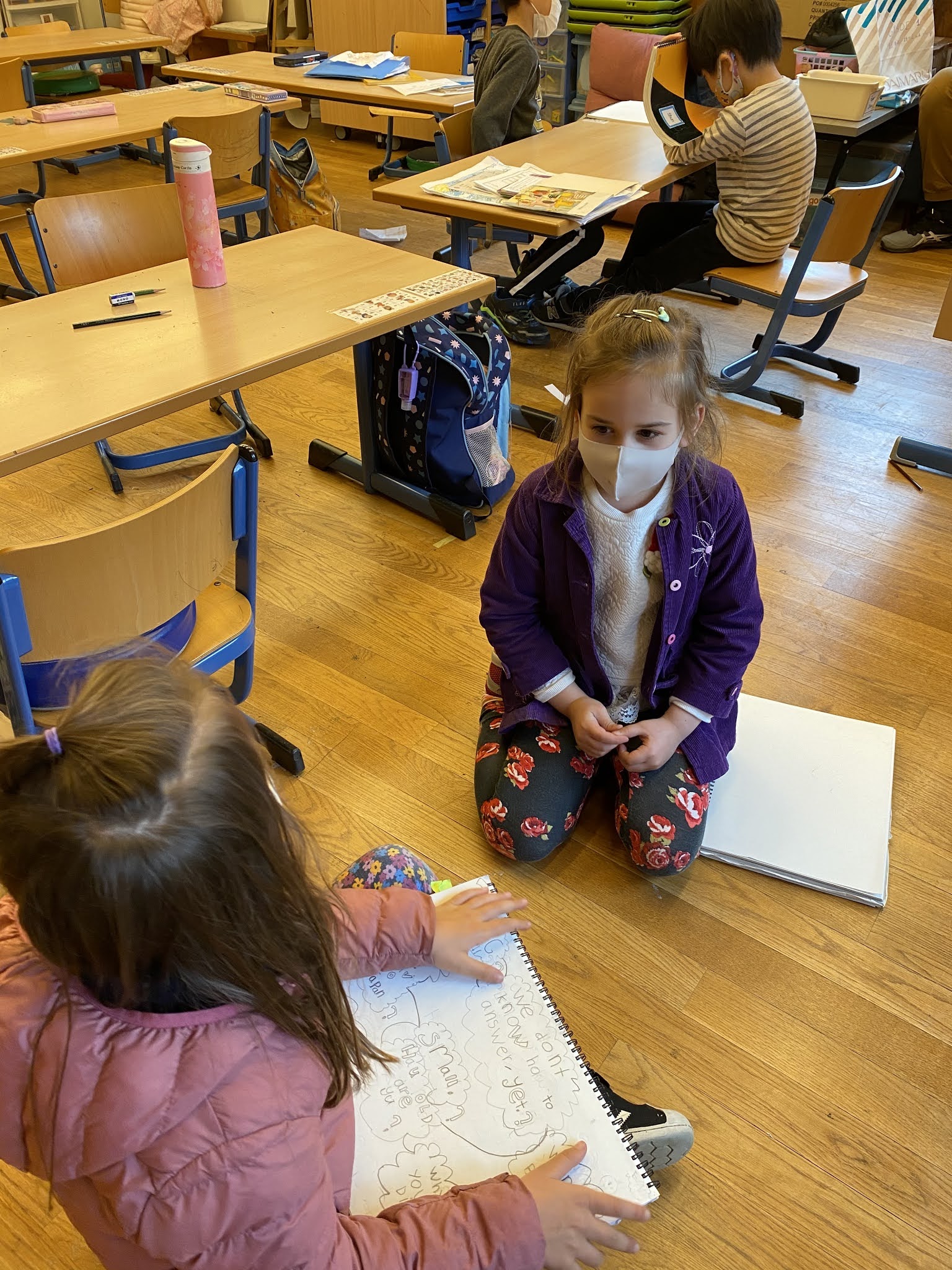
PRESCHOOLERS Ask BIG and SMALL Questions


In this unit on Where We are in Place and Time, the preschoolers continue to develop ATL skills as THINKERS and RESEARCHERS. 

A role of a researcher is to Ask Questions
Creating and asking questions help the preschoolers increase understanding as they gain more information and knowledge from others.

The preschoolers INTERVIEWED their classmates about the topic on 'myself'. They came up with their own set of questions to help them gain a deeper understanding of themselves and compare how their personal histories or experiences are either the same or different to others. 

To help them develop the act of creating good questions, we did an exercise on the process of creating BIG and SMALL questions. 

They each came up with their own questions and interviewed everyone in the class. 
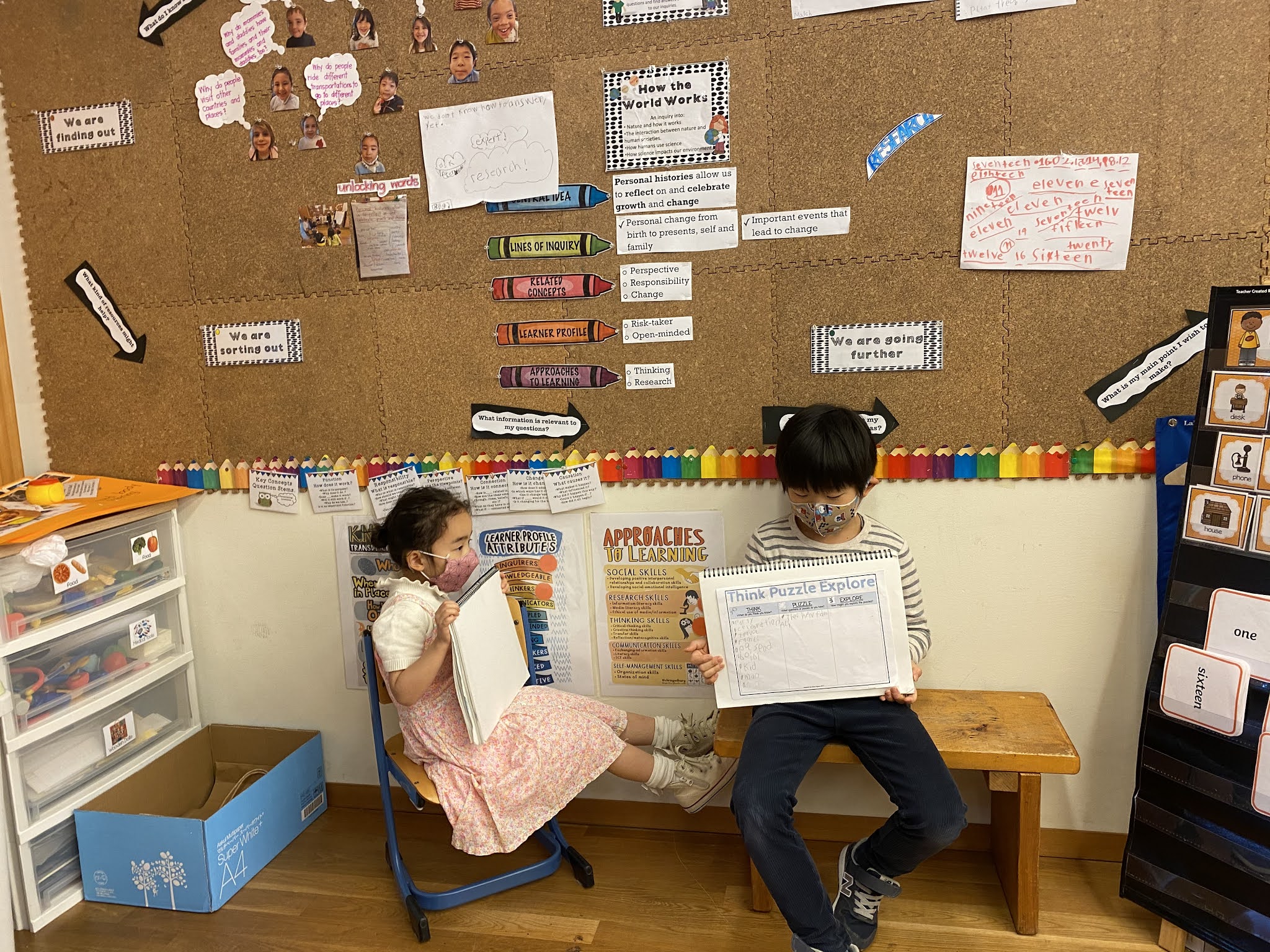


They also shared their own'See How I Grew' sheet. This is an initial task to help the preschoolers understand how to create a TIMELINE. 


As they continue to develop, practice responsibility, show growth and change, Preschoolers helped the PTA plant in the DSKI garden. 


Next week, Preschoolers will continue FINDING OUT. 
They will work on TIME LINE and talk about starting a collection of memories: conceptually and physically to prepare them into creating their own TIME CAPSULE.


Comments

  1. Thank you, Ms.Faye, for the describtion, photos, lovely posters, and writings all around and the board is 🥰 with messages from Rosa.

    ReplyDelete

Post a Comment

Popular posts from this blog

Unit 4: Where We Are in Place and Time

The transdisciplinary theme, Where we are in place and time prepares the students to an inquiry into orientation in place and time, personal histories, homes and journeys, discoveries, explorations, and migration of humankind, the relationships between and the interconnectedness of individuals and civilizations, from local and global perspectives.  In this unit, Preschoolers will be looking at the Central Idea  Personal histories allow us to reflect on and celebrate growth and change .  The  Lines of Inquiry are: Important events that lead to change and Personal change from birth to present: self and family As we dive deeper in the unit, they will understand Key Concepts: Perspectives "What are the different points of view?" Responsibility "What are our obligations?" Change "How is it transforming?" Preschoolers will also understand related concepts about beliefs, values and adaptation.  They will continue developing their skills in thinking and resear...

PRESCHOOLERS and their FAMILIES

  The FAMILY TREE helps the Preschoolers understand the relationship of each members of their family. This representation helps them understand the roles of the mother, father, sister, brother, grandmother, grandfather, aunt, uncle, and cousins play in their life history.  The Preschoolers continued to inquire about the personal histories of their family. They worked on their own Family Tree and have started SORTING OUT information that they have gathered from the interview with their parents, discussions and their own knowledge about the members of their family.          They have also made a visual representation of who lives in our home.  Before the Golden week, they did a series mapping exercise.  The place where they have lived or where they have travelled. The place where mom and dad are from The place where both their grandparents are from. The Preschoolers gained basic information about what a map is for, importance of a m...

Field Trip

FIELD TRIP Children who experience a holistic development during their younger school years grow up to become global citizens.  Taking the students out of the classroom  is important because it provides a balance between indoor and outdoor activities. It prepares them for what it is like in the real world.  As part of our unit on How The World Works which focuses on the science of living things, the preschoolers went out on a field trip to Rokkosan Pasture. In here, the students were immersed and had access to a different environment,  the farm habitat together with the animals who live there.  They experienced interactive learning by feeding and getting up close with these friendly and hungry goats. They observed how the animals shared space and played inside their homes. They were able to make connections on how they, as preschoolers socially interact with one another inside the classroom.   The parents who joined the trip also became the teachers a...