
How The World Works


PRESCHOOL ASSEMBLY

What a beautiful way to end our unit on celebration,
to start a new unit on growth,
and to connect it to our unit on imagination.


As we begin our new unit on how the world works, the preschool students went around the school premises to list down living things that they saw around them. 


As their curiosity kicked in they got so excited and started thinking exactly what living things are. 


At first, some characteristics they mentioned about living things were:
move 
eat
drink
grow
drive cars
talk
take a bath
more


But what really is the difference between living and non-living things? 

Back in the classroom, we revisited their list and narrowed down the characteristics of living things into these important traits:

they eat and drink (food and water)
they grow or change
they reproduce (make new living things)


They agreed that even if something is moving (like robots or cars) it doesn't mean that they are living things. Trees do not move but they eat, drink, grow, and reproduce.
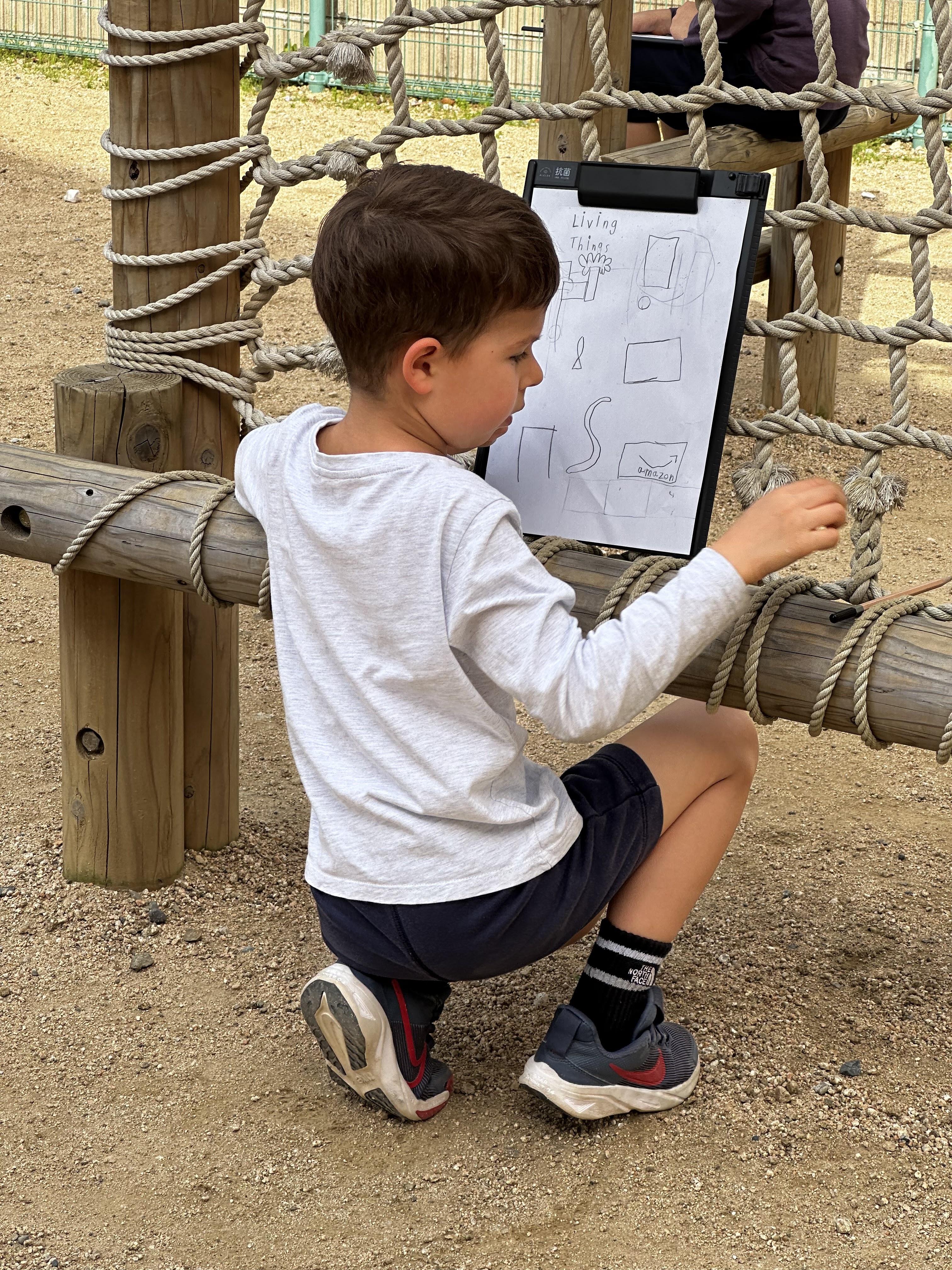

The students will inquire about the central idea that all living things go through the process of change. 


They also looked at different pictures and completed the 'See, Think, and Wonder' chart. 
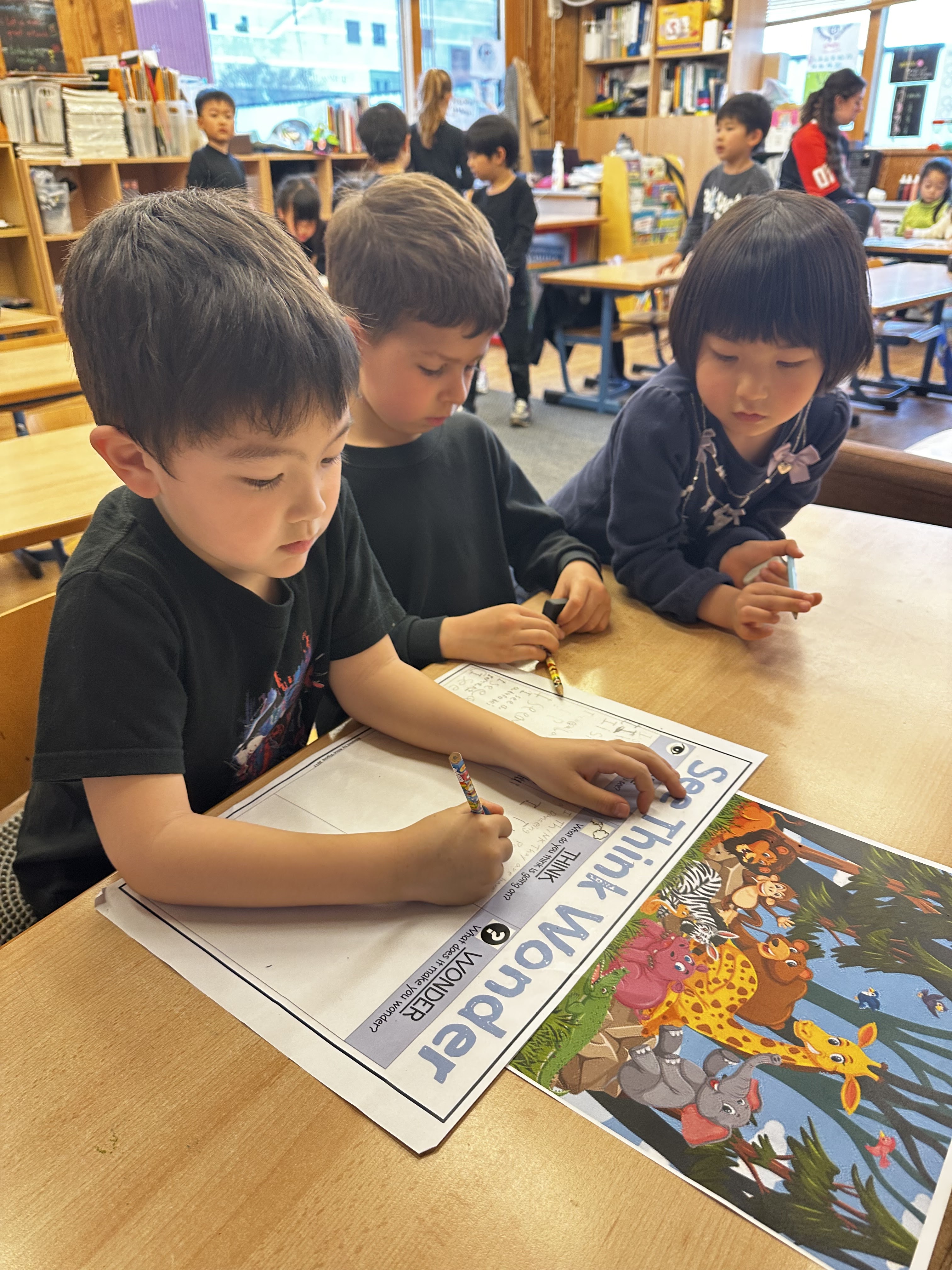

This activity was a springboard that provoked their thinking as to where the unit is heading to. 


With the pictures as prompts, they wrote down information about their prior knowledge, thinking and some questions they have. 


It surely was good evidence of how much these young learners have grown and developed as thinkers and inquirers. 


The feedback and ideas they shared with each other were also wonderful to  hear. We are all excited and eager to learn about science! 

This will definitely be an amazing unit for all of us! 


Comments

Popular posts from this blog

Unit 4: Where We Are in Place and Time

The transdisciplinary theme, Where we are in place and time prepares the students to an inquiry into orientation in place and time, personal histories, homes and journeys, discoveries, explorations, and migration of humankind, the relationships between and the interconnectedness of individuals and civilizations, from local and global perspectives.  In this unit, Preschoolers will be looking at the Central Idea  Personal histories allow us to reflect on and celebrate growth and change .  The  Lines of Inquiry are: Important events that lead to change and Personal change from birth to present: self and family As we dive deeper in the unit, they will understand Key Concepts: Perspectives "What are the different points of view?" Responsibility "What are our obligations?" Change "How is it transforming?" Preschoolers will also understand related concepts about beliefs, values and adaptation.  They will continue developing their skills in thinking and resear...

PRESCHOOLERS and their FAMILIES

  The FAMILY TREE helps the Preschoolers understand the relationship of each members of their family. This representation helps them understand the roles of the mother, father, sister, brother, grandmother, grandfather, aunt, uncle, and cousins play in their life history.  The Preschoolers continued to inquire about the personal histories of their family. They worked on their own Family Tree and have started SORTING OUT information that they have gathered from the interview with their parents, discussions and their own knowledge about the members of their family.          They have also made a visual representation of who lives in our home.  Before the Golden week, they did a series mapping exercise.  The place where they have lived or where they have travelled. The place where mom and dad are from The place where both their grandparents are from. The Preschoolers gained basic information about what a map is for, importance of a m...

Field Trip

FIELD TRIP Children who experience a holistic development during their younger school years grow up to become global citizens.  Taking the students out of the classroom  is important because it provides a balance between indoor and outdoor activities. It prepares them for what it is like in the real world.  As part of our unit on How The World Works which focuses on the science of living things, the preschoolers went out on a field trip to Rokkosan Pasture. In here, the students were immersed and had access to a different environment,  the farm habitat together with the animals who live there.  They experienced interactive learning by feeding and getting up close with these friendly and hungry goats. They observed how the animals shared space and played inside their homes. They were able to make connections on how they, as preschoolers socially interact with one another inside the classroom.   The parents who joined the trip also became the teachers a...